
Sources for Previous Residents of a Hemet Address
Each source below covers a different part of the backward trail. The years are not interchangeable. A deed can identify an owner transfer without naming a household. A telephone page can show a listed subscriber without proving ownership. A census can show a household only at the enumeration point. A permit can mark a physical change without naming everyone who used the property.
| Source | Years it covers | Where held | What it shows |
|---|---|---|---|
| ACR online recorder index | 1974-present | Riverside ACR | Named parties, dates, document numbers, instrument trail |
| Older deed books and index | Pre-1974 | ACR Gateway office | Earlier grantor/grantee chain and images |
| Telephone pages | 1943-1962 verified runs | Library of Congress | Listed subscriber, address, exchange, telephone |
| Federal census | 1950 now public | National Archives | Enumerated household, relationships, address |
| Hemet permits | 2000-present, some 1990s | Hemet Building & Safety | Work, address, status, applicant clues |
| Sanborn and historic maps | 1922 verified, other dated maps | LAPL / city study | Building footprint, use, and address context |
| News and obituary sources | 1894-1999 news; 100+ years index | Museum / HSJGS | Events, relatives, addresses, life leads |
The source order is a research choice, not a promise that every address will produce every kind of entry. A blank in one era should lead to the next custodian or collection, not to an invented past household.
Hemet Previous Residents Start with Today's APN
Use Riverside ACR Property Search or RivCoView to find the current parcel by address, APN, or PIN. Save the nine-digit PIN without dashes when RivCoView uses that format. Keep the situs address, mailing address, and legal description in separate notes. The modern street label is helpful, but the legal description and APN carry more weight as the search moves across years.
A parcel result can organize assessment, sales, permits, area, census, education, and map-layer routes. It is a discovery bridge, not a certified deed image. Public owner-name searching is limited or not advertised in the inspected interface, so the deed chain should begin with a lawful party clue or the acquisition instrument.
The Riverside ACR property search is the address-to-parcel starting point for previous residents of a Hemet house.
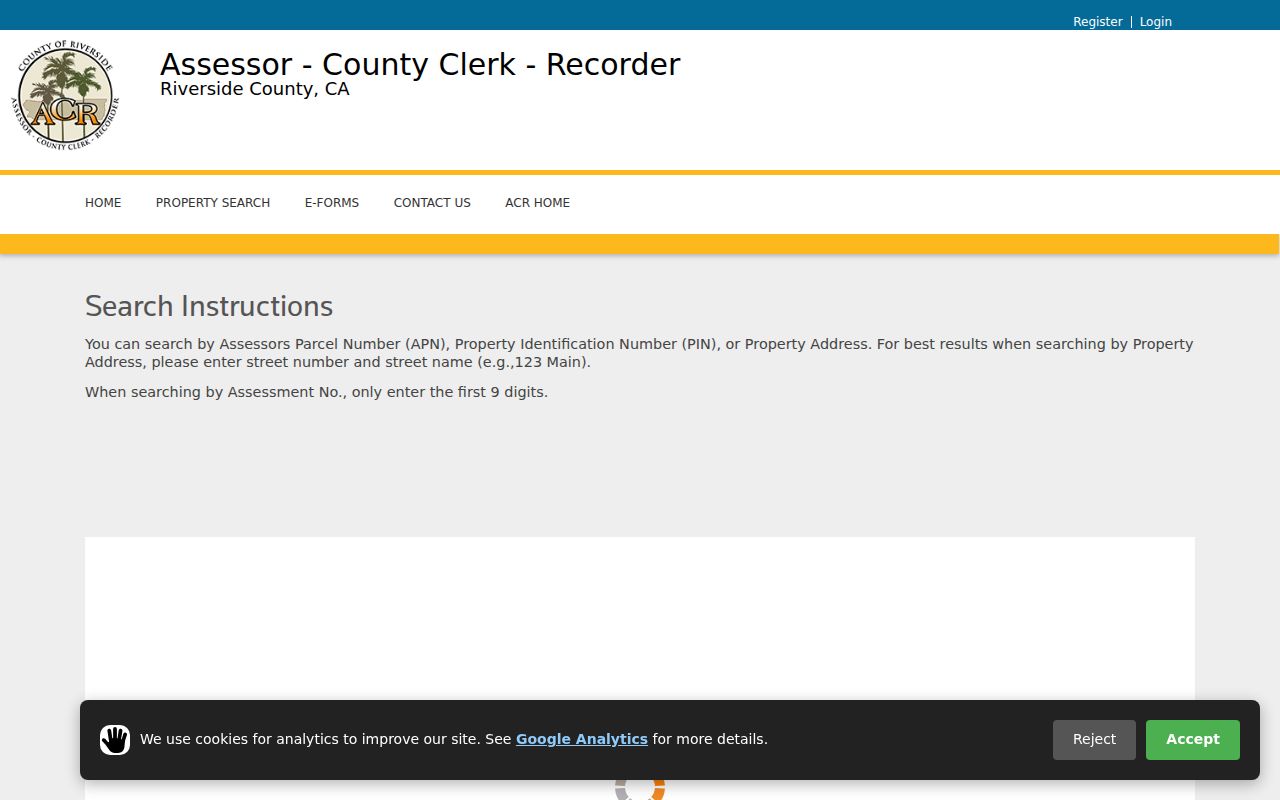
Once the APN is recorded, the property search becomes a stable key for the next deed, permit, map, and historical-source steps.
Hemet Previous Residents: Riverside Deeds
The Riverside ACR recorder index is online from 1974 forward. Search the current indexed owner as a grantee, narrow the date only after the broad name works, and open the acquisition instrument. Record the grantor, grantee, legal description, document number, recording date, and any APN. Then search the prior grantor as the earlier grantee. The sequence is a chain of title, meaning the linked transfers that connect one owner to the next.
- Address to APN and current parcel in ACR Property Search or RivCoView.
- Search the current grantee in recorder order: LAST FIRST MI, without punctuation.
- Read the index row, order the image if needed, and capture the legal description and document number.
- Search the grantor as grantee for the preceding acquisition, then repeat.
- At the online cutoff, carry the legal description or book-page clue to Gateway for older books and indexes.
A deed identifies a recorded transfer. It does not prove that the buyer lived at the property. To find previous residents, pair the owner chain with telephone pages, census, news, permits, or obituaries. The strongest answer states whether a name was an owner, a listed subscriber, an enumerated household member, or a newspaper subject.
The ACR official records search and copy route shows the county’s index and image path.
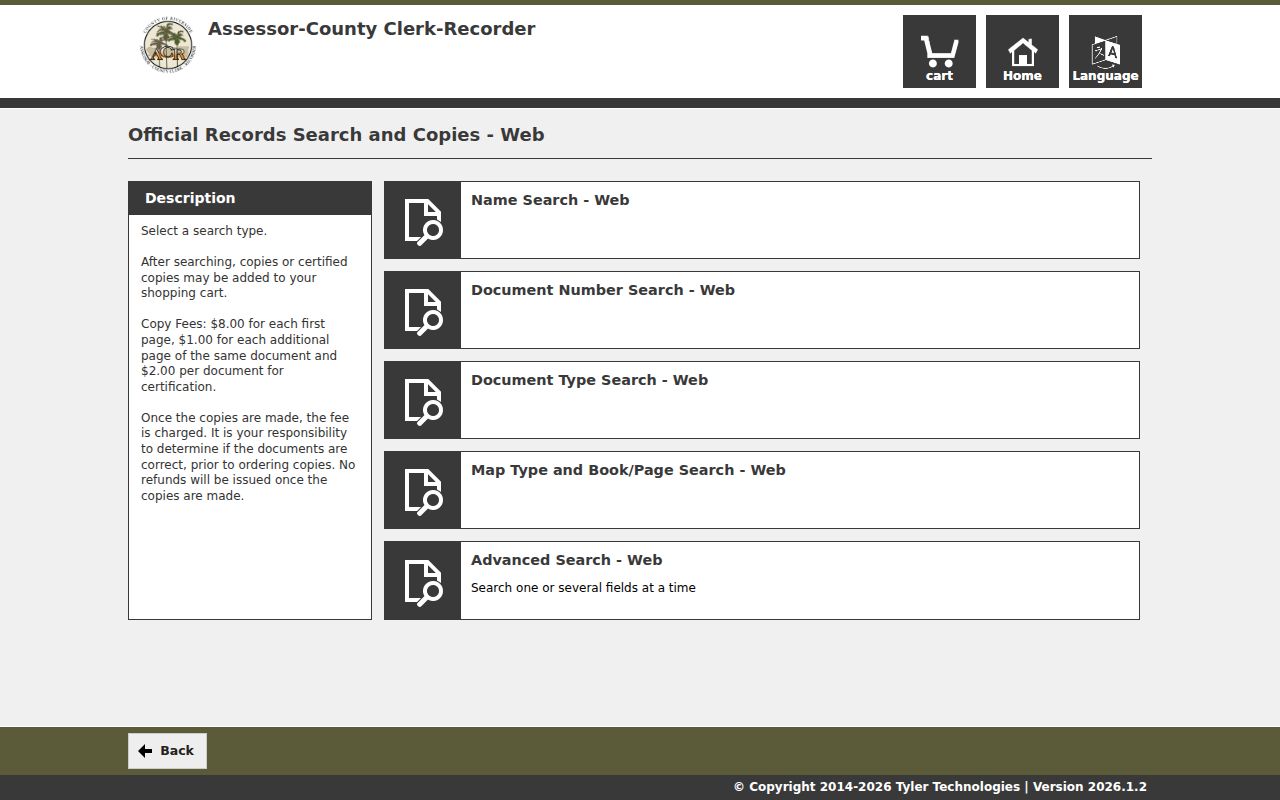
Index access is free, while copies cost $8 for the first page, $1 for each additional page in the same document, and $2 for certification.
- Grantor
- The party transferring an interest in the recorded instrument.
- Grantee
- The party receiving an interest in the recorded instrument.
- Chain of title
- A linked sequence of recorded transfers for the same legal property.
- Legal description
- The deed identity for the land, such as a lot, block, subdivision, or metes-and-bounds description.
Hemet Previous Resident Records at 1974
The online recorder cutoff and the county’s formation date solve different problems. ACR’s portal starts recorder documents in 1974, while office guidance sends 1974-and-earlier searches to Gateway. The Gateway office at 2724 Gateway Drive in Riverside is the bridge to older indexes, books, and deed images. Carry the legal description or a book-page reference rather than only the modern street label.
Clerk documents begin in 1893, but clerk coverage is not a substitute for a complete deed chain. A marriage, fictitious business name, or other clerk record may supply a helpful person clue while leaving land ownership in the recorder series. Keep the series names distinct in the research note.
The official records image and the older book are different access steps. A blank online search means “not found in that indexed route,” not “no previous residents existed.”
Hemet Previous Resident Clues in Telephone Snapshots
The Library of Congress holds three verified Hemet white and yellow page runs. Reel one spans January 1943 to November 1952. Reel two spans November 1953 to November 1957. Reel three spans November 1958 to September 1962. The scans can show a listed subscriber, street address, locality, exchange, and number. Business pages add category and contact information.
Those pages are not proven Polk-style city directories or local criss-cross books. No publisher, spouse notation, widow code, or owner/renter mark should be supplied unless the scan actually shows it. A missing subscriber is weak evidence because unlisted service and issue coverage can change.
To follow previous residents, compare the nearest issue before and after a known date. Then test the address in the 1950 census, Hemet News, HSJGS obituary index, or a deed and permit record. The phone page contributes a dated name-and-address snapshot, not a full occupancy interval.
Hemet Previous Residents and the 1950 Census
The 1950 federal census is the main public household snapshot in the supplied research. Hemet enumeration districts 33-18, 33-19, and 33-20 provide a place to start. The schedule can show household names, relationships, address, and demographic details as recorded by the enumerator. NARA warns that machine-extracted names can differ from handwritten schedules, so inspect the image when a surname or initial looks odd.
Pair each telephone-era question with the nearest census year, but do not force the sources to match. A telephone listing covers a subscriber. A census entry covers an enumerated household. A deed covers a recorded transfer. A difference can be a lead to investigate, not an error to hide.
A previous-residents timeline becomes clearer when the note has three columns: date, source, and exact field. That layout keeps a census relationship from being mistaken for deed ownership or telephone subscription.
Process flow: telephone issue and listed address → nearest census schedule → matching or differing household names → deed or parcel check → newspaper or obituary corroboration.
The National Archives census research route provides the federal access point for the public 1950 schedule.
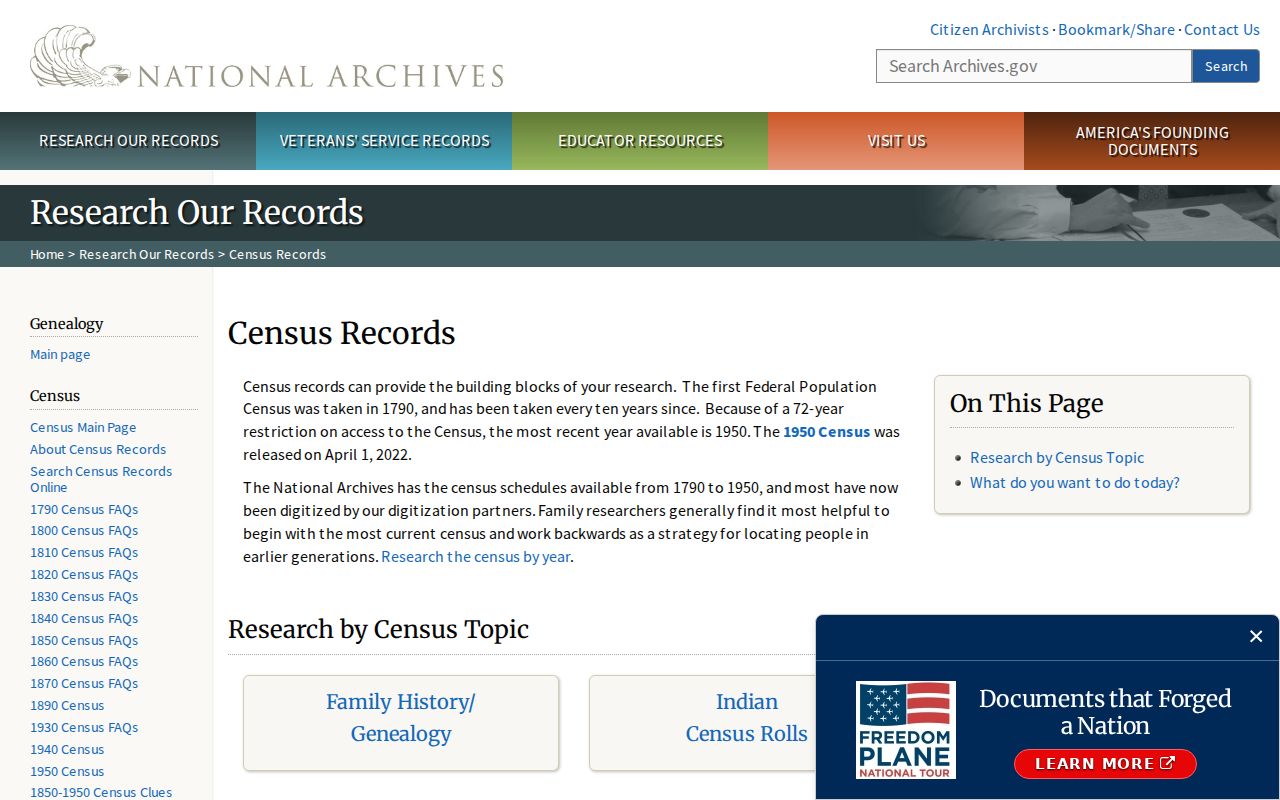
The census image should be read beside the extracted name when handwriting or OCR changes a surname.
Hemet Previous Resident Records: Maps and Permits
The 1922 Hemet Sanborn map is verified through the city cultural-resource study and identified with the Los Angeles Public Library. It can show a building footprint or use and help test whether a structure existed at a historical address. Historic topographic and aerial sources add dated context across the early and mid twentieth century.
Hemet permit records generally begin January 1, 2000, with some 1990s records. The eTRAKiT guide searches permit number or site address, and a number-only or adjusted directional search can help when an address fails. A permit can date work and identify an applicant clue. It does not list every person who used the property.
Pair a permit date with a deed, map, or newspaper event. A changed structure can explain why a later address looks different, while the APN or legal description maintains the property link.
Hemet Previous Resident Records in Probate
Obituaries can end one part of a previous-residents search and open another. The HSJGS index has more than 138,000 entries across 100+ years, while the Hemet Museum holds most Hemet News issues from 1894-1999. A dated obituary can supply relatives, an address, a club, a business, or a clue to an estate.
Probate records can connect a decedent, heirs, will, petition, and property question. A probate case is a court record with its own access rules. A newspaper obituary is a secondary lead. A deed remains the land-transfer record. Use the three together without treating one as the other.
For a family-history purpose, the local museum and Duffin Heritage Room are useful when OCR, a missing scan, or the 1974 recorder line interrupts the trail. Research questions may carry nominal material or print-photo costs, so confirm the current route.
Pre-1893 Hemet Records May Say San Diego County
Riverside County was formed on May 9, 1893 from portions of San Bernardino and San Diego Counties. A pre-1893 Hemet or San Jacinto record may therefore sit under predecessor San Diego County. The 1893-94 county directory falls directly at the transition and is a useful archive clue.
This geography issue is separate from the recorder’s 1974 online cutoff. One asks which county catalog holds an older local record. The other asks which ACR route holds an older deed. A previous residents search can need both answers at once.
When a name or address vanishes before 1893, check the predecessor county label, the Duffin collection, FamilySearch catalog material, the State Archives, and the museum’s local research shelf. Do not infer a lost family or a lost building from a modern county search alone.
Past Hemet Households: Directories, Census, Obituaries
Previous residents are reconstructed by layering records, not by one magic directory. Start with the APN. Walk the deed chain to identify ownership eras. Use a telephone issue to find listed subscribers, the 1950 census to see an enumerated household, and a newspaper or obituary to connect relatives and events. Add permits or the 1922 Sanborn when a physical change explains an address shift.
The collection years and scan details for the historical pages sit in the Hemet city directory collections route. Current parcel and street work belongs with the address record path. The two angles meet at the legal description and the dated source field, not at an unsupported claim about everyone who lived there.
A careful conclusion sounds modest: “The 1958 telephone issue lists this surname at the address, and the 1950 census places a matching household nearby.” That is more useful than claiming a complete list of previous residents when the records never promised one.